Can High Blood Pressure Cause Nosebleeds?
Nosebleeds are a common experience for people of all ages. While seeing blood from your nose can be alarming, most nosebleeds are minor and resolve quickly without medical treatment. However, frequent or unusually severe nosebleeds sometimes raise concerns about underlying health conditions, including high blood pressure.
Many people wonder whether nosebleeds are a warning sign of hypertension. The answer is more complex than a simple yes or no. Understanding the causes of nosebleeds and how they may relate to blood pressure can help you know when to seek medical attention.
Common Causes of Nosebleeds
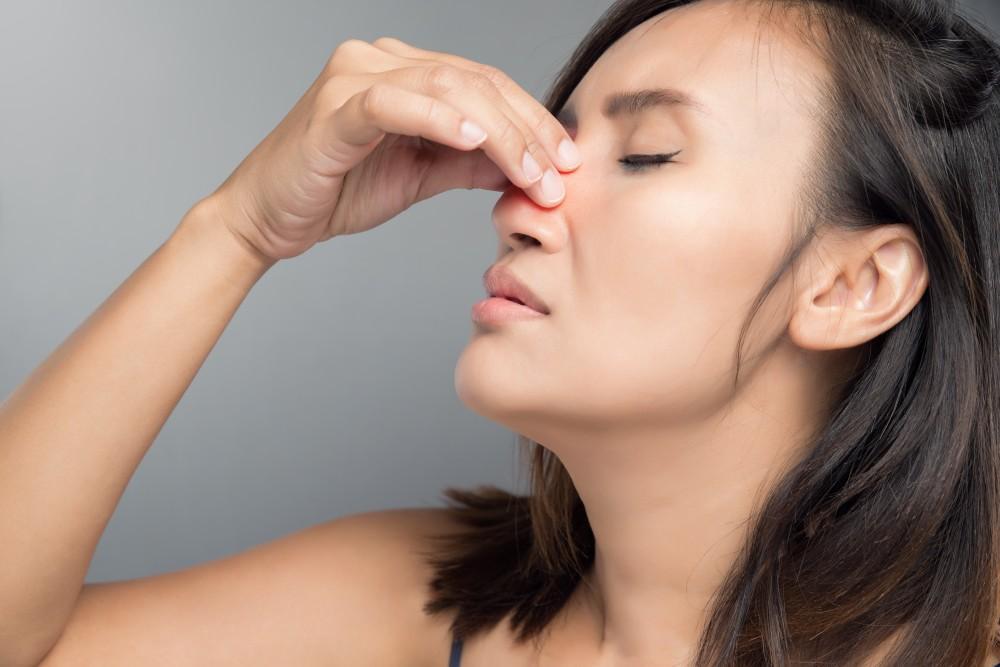
The inside of the nose contains many small blood vessels that sit close to the surface. These delicate vessels can easily break and cause bleeding when irritated or injured.
Some of the most common causes of nosebleeds include:
- Dry indoor air
- Seasonal allergies
- Colds and respiratory infections
- Frequent nose blowing
- Nose picking or scratching
- Minor injuries to the nose
- Irritation from medications or nasal sprays
Most nosebleeds stop within a few minutes and are not considered serious. Applying gentle pressure and leaning slightly forward is often enough to control the bleeding.
Understanding High Blood Pressure
High blood pressure, also known as hypertension, occurs when blood consistently flows through the arteries at elevated pressure levels.
Over time, uncontrolled hypertension can damage blood vessels and increase the risk of serious health problems, including:
- Heart disease
- Heart attack
- Stroke
- Kidney disease
- Vision problems
One challenge with hypertension is that it often develops without noticeable symptoms. Many people are unaware they have high blood pressure until it is discovered during a routine medical examination.
Are Nosebleeds a Symptom of Hypertension?
For most people, occasional nosebleeds are not caused directly by high blood pressure. Medical experts generally do not consider nosebleeds to be a common early symptom of hypertension.
However, long-term high blood pressure may weaken or damage blood vessels throughout the body, including those inside the nose. As a result, some individuals with hypertension may be more susceptible to significant or difficult-to-control nosebleeds.
Research suggests that people with elevated blood pressure may experience more severe nosebleeds and may be more likely to require medical treatment when bleeding occurs.
While a nosebleed alone does not necessarily indicate hypertension, frequent or recurring episodes may warrant further evaluation, particularly if other cardiovascular risk factors are present.
Signs You Should Have Your Blood Pressure Checked
Because hypertension often has no obvious symptoms, regular blood pressure screenings are important for adults of all ages.
You may benefit from a blood pressure evaluation if you:
- Experience frequent nosebleeds
- Have a family history of hypertension
- Are overweight or obese
- Have diabetes
- Smoke or use tobacco products
- Have high cholesterol
- Lead a physically inactive lifestyle
Early diagnosis allows treatment to begin before serious complications develop.
When Nosebleeds and High Blood Pressure Become an Emergency
Although routine nosebleeds are usually harmless, there is one situation where a clear connection exists between nosebleeds and elevated blood pressure: a hypertensive crisis.
A hypertensive crisis occurs when blood pressure rises rapidly to dangerously high levels. This medical emergency can cause symptoms such as:
- Severe headache
- Shortness of breath
- Chest pain
- Blurred vision
- Confusion
- Severe anxiety
- Nosebleeds
If you experience a severe nosebleed along with symptoms of extremely high blood pressure, seek emergency medical care immediately. Prompt treatment is essential to reduce the risk of stroke, heart attack, and other life-threatening complications.
Protecting Your Heart and Blood Vessels
The best way to prevent complications from hypertension is through early detection and proper management. Regular blood pressure screenings, healthy lifestyle habits, and appropriate medical treatment can help keep your blood pressure under control.
Lifestyle strategies that support healthy blood pressure include:
- Maintaining a healthy weight
- Eating a balanced diet
- Limiting sodium intake
- Exercising regularly
- Managing stress
- Avoiding tobacco products
- Taking prescribed medications as directed
Don’t Ignore the Warning Signs
Most nosebleeds are harmless and related to temporary irritation inside the nose. However, frequent, heavy, or recurring nosebleeds may indicate an underlying health issue that deserves medical attention.
If it has been a while since your last blood pressure screening, consider scheduling a preventive health evaluation. Identifying and treating high blood pressure early can help protect your heart, blood vessels, and overall health for years to come.