Check Out Our Blog
The flu can cause a range of symptoms, including body aches, fever, cough, and fatigue. Learn how to recognize common signs of influenza, manage symptoms at home, and know when it may be time to seek medical care.
Blood pressure readings include two numbers: systolic and diastolic pressure. Learn what each measurement means, how high blood pressure is diagnosed, and the steps you can take to reduce your risk of heart disease, stroke, and other serious health complications.
A urinary tract infection may seem minor at first, but delaying treatment can lead to worsening symptoms and serious complications. Learn the warning signs of a UTI, potential risks of untreated infection, and why early diagnosis and treatment are important for protecting your health.
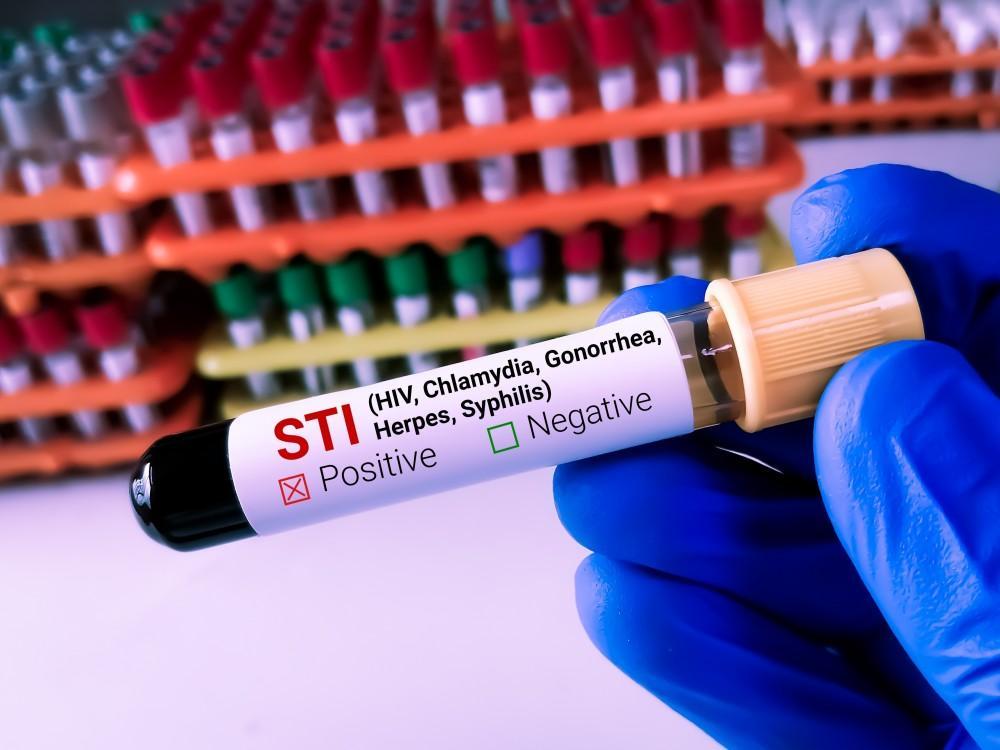
Many sexually transmitted infections cause few or no symptoms, making routine STD testing an important part of preventive healthcare. Learn why regular screening matters, how testing works, and how early detection can help protect your health and your partners.
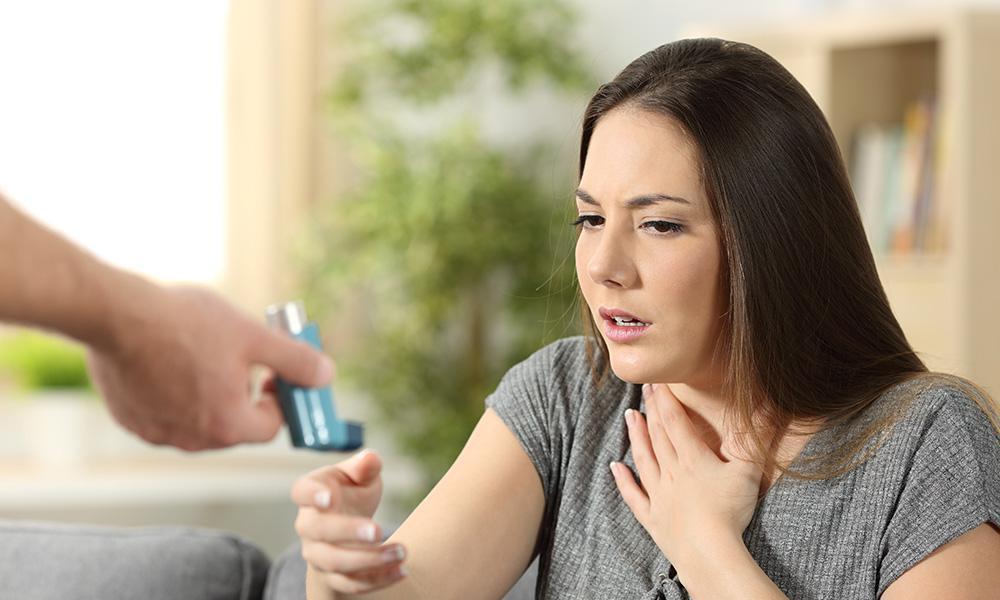
Asthma can affect your daily life, but the right management strategies can help keep symptoms under control. Learn six practical ways to manage asthma, including identifying triggers, improving indoor air quality, staying active, using medications correctly, and maintaining regular medical care.

Wound debridement removes dead or infected tissue to help chronic wounds heal more effectively. Learn the signs that may indicate you need specialized wound care, including slow healing, infection, diabetes, poor circulation, and other factors that can interfere with recovery.
Not all cuts heal on their own. Learn the common signs that a wound may need stitches, including persistent bleeding, deep or wide cuts, and injuries in sensitive areas. Discover when to seek medical care and how proper treatment can support faster healing and reduce the risk of infection.
Sleep apnea is a common sleep disorder that causes repeated breathing interruptions during sleep. Learn the warning signs, risk factors, health complications, and treatment options that can help improve sleep quality and protect your long-term health.
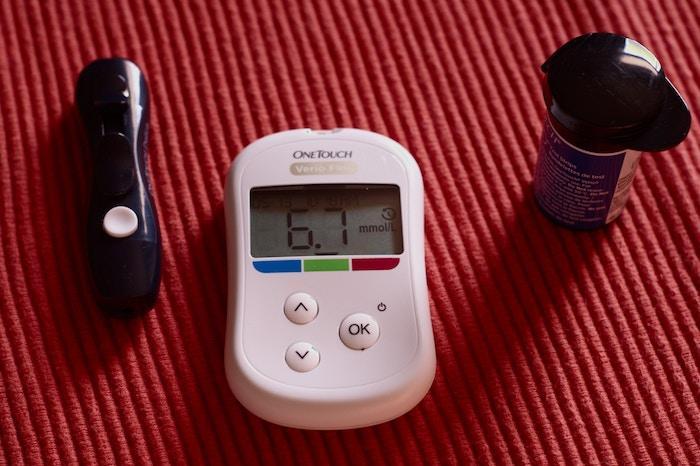
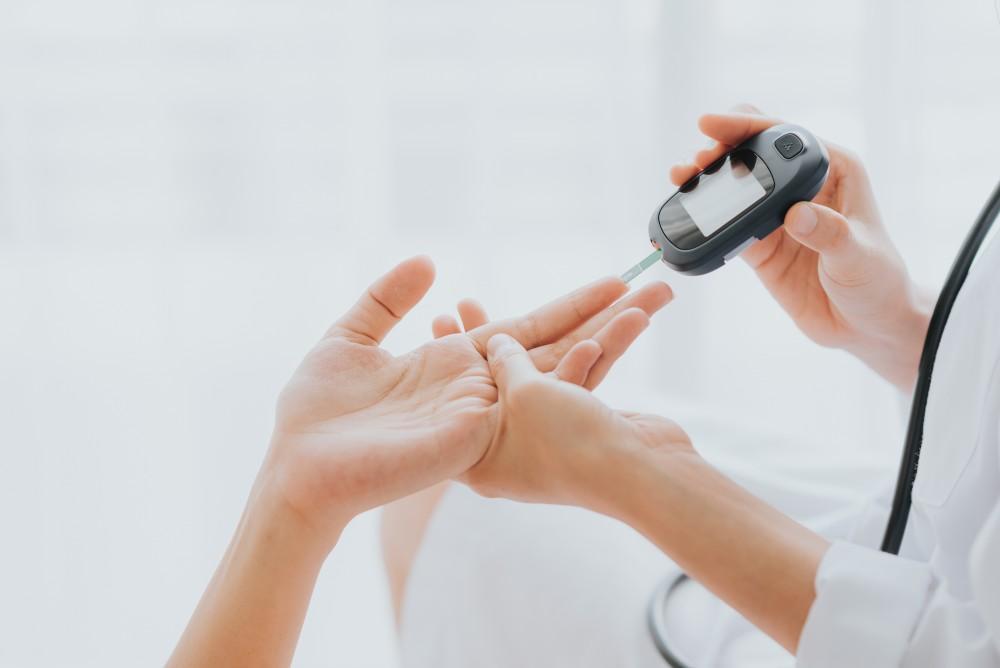
Type 2 diabetes cannot currently be cured, but effective treatment and healthy lifestyle changes can help manage blood sugar levels and reduce complications. Learn about diabetes remission, prediabetes, and strategies for long-term diabetes management.
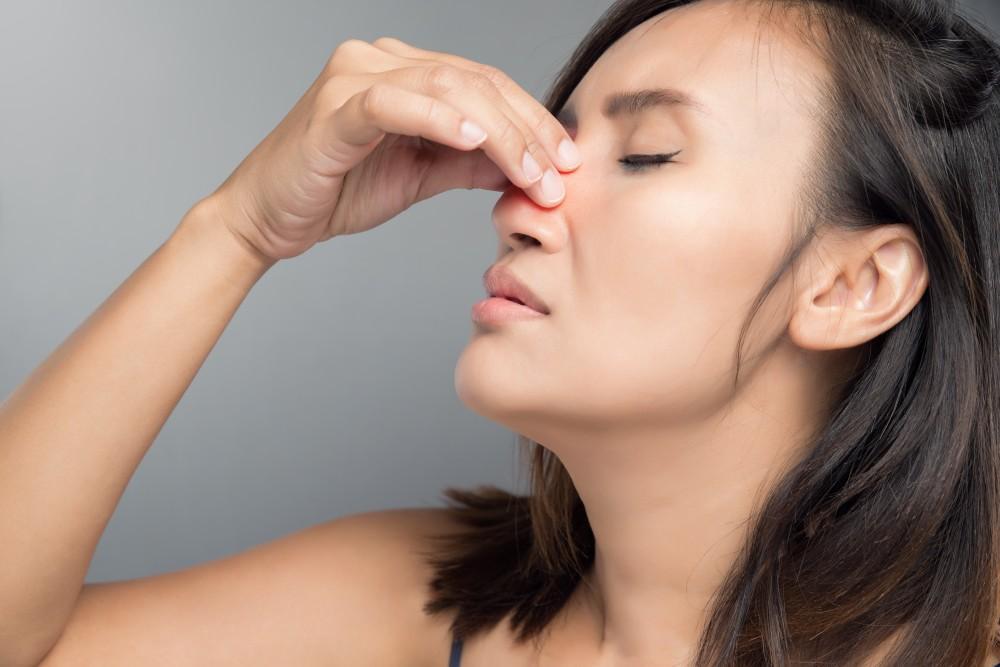
Nosebleeds are usually caused by irritation or injury inside the nose, but some research suggests that high blood pressure may contribute to more severe bleeding episodes. Learn about the connection between nosebleeds, hypertension, and when to seek medical care.
Even modest weight loss can improve energy levels, reduce joint pain, increase mobility, and lower the risk of chronic diseases such as diabetes, high blood pressure, and heart disease. Learn how achieving a healthy weight can support long-term wellness.
Diabetes is a group of conditions that affect how the body regulates blood sugar. Learn about Type 1 diabetes, Type 2 diabetes, gestational diabetes, and other forms of diabetes, along with the importance of early diagnosis and effective management.