When life gets busy and you’re feeling healthy, it’s easy to postpone routine medical appointments. However, regular physical exams play a vital role in maintaining your health and detecting potential issues before they become serious problems.
An annual wellness visit provides an opportunity to evaluate your overall health, discuss concerns with your healthcare provider, and create a plan to support your well-being throughout the year. Preventive care remains one of the most effective ways to protect your health and reduce the risk of future medical complications.
The Importance of Preventive Health Screenings
A yearly physical examination is designed to assess your current health status and identify risk factors that may lead to illness or chronic disease. Many health conditions develop gradually and may not cause noticeable symptoms in their early stages.
Routine screenings allow healthcare providers to detect these issues sooner, often making treatment more effective and improving long-term outcomes.
During your annual appointment, your provider will review your:
- Medical history
- Family health history
- Current medications
- Lifestyle habits
- Nutrition and exercise routines
- Health concerns or symptoms
This comprehensive review helps create a clearer picture of your overall health and provides guidance for maintaining or improving it.
What to Expect During a Physical Exam
While every patient is unique, a typical physical examination may include several basic assessments and screenings.
These often include:
- Height and weight measurements
- Blood pressure evaluation
- Heart rate assessment
- Temperature check
- Examination of the eyes, ears, nose, and throat
- Lung and heart evaluation
- Age- and gender-appropriate health screenings
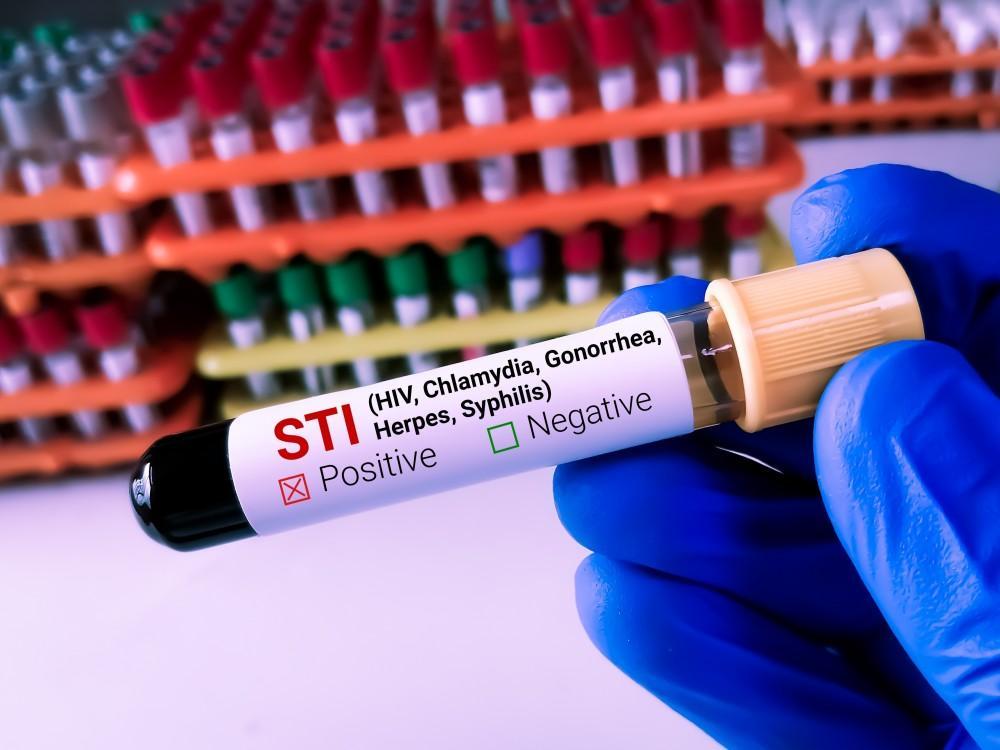
Depending on your medical history, age, and risk factors, your provider may also recommend blood tests, diagnostic screenings, or preventive vaccinations.
Annual physicals are also an excellent opportunity to ask questions about your health, discuss symptoms, and receive personalized recommendations for healthy living.
Monitoring and Managing Chronic Conditions
Regular physical exams are valuable for everyone, but they are especially important for individuals living with chronic health conditions.
Ongoing monitoring helps ensure that treatment plans remain effective and allows healthcare providers to identify changes before they lead to complications.
Common chronic conditions that benefit from routine medical oversight include:
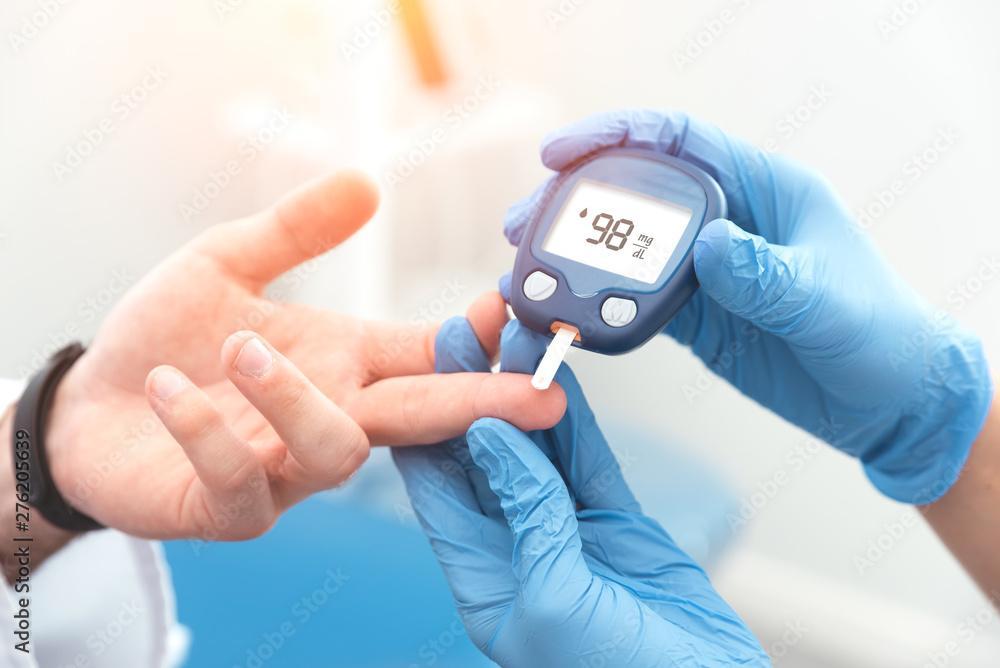
- Diabetes
- High blood pressure
- Heart disease
- Asthma
- Chronic obstructive pulmonary disease (COPD)
- Arthritis
Managing these conditions often requires regular evaluations, medication adjustments, lifestyle recommendations, and preventive screenings.
Supporting Better Long-Term Outcomes
Chronic diseases may not have a cure, but consistent medical care can help reduce symptoms, slow disease progression, and improve quality of life.
Routine checkups allow your healthcare provider to:
- Track your progress
- Monitor treatment effectiveness
- Address new symptoms
- Recommend preventive measures
- Help you achieve health goals
By staying engaged in your healthcare, you can take a proactive approach to managing your condition and reducing the risk of future complications.
Make Preventive Care a Priority
Your health is one of your most valuable assets, and annual physical exams are an important investment in your future well-being. These visits provide the information, guidance, and support needed to help you stay healthy, identify concerns early, and manage ongoing health conditions effectively.
Whether you’re focused on prevention or managing a chronic illness, routine physical examinations can help you stay on track and make informed decisions about your health for years to come.